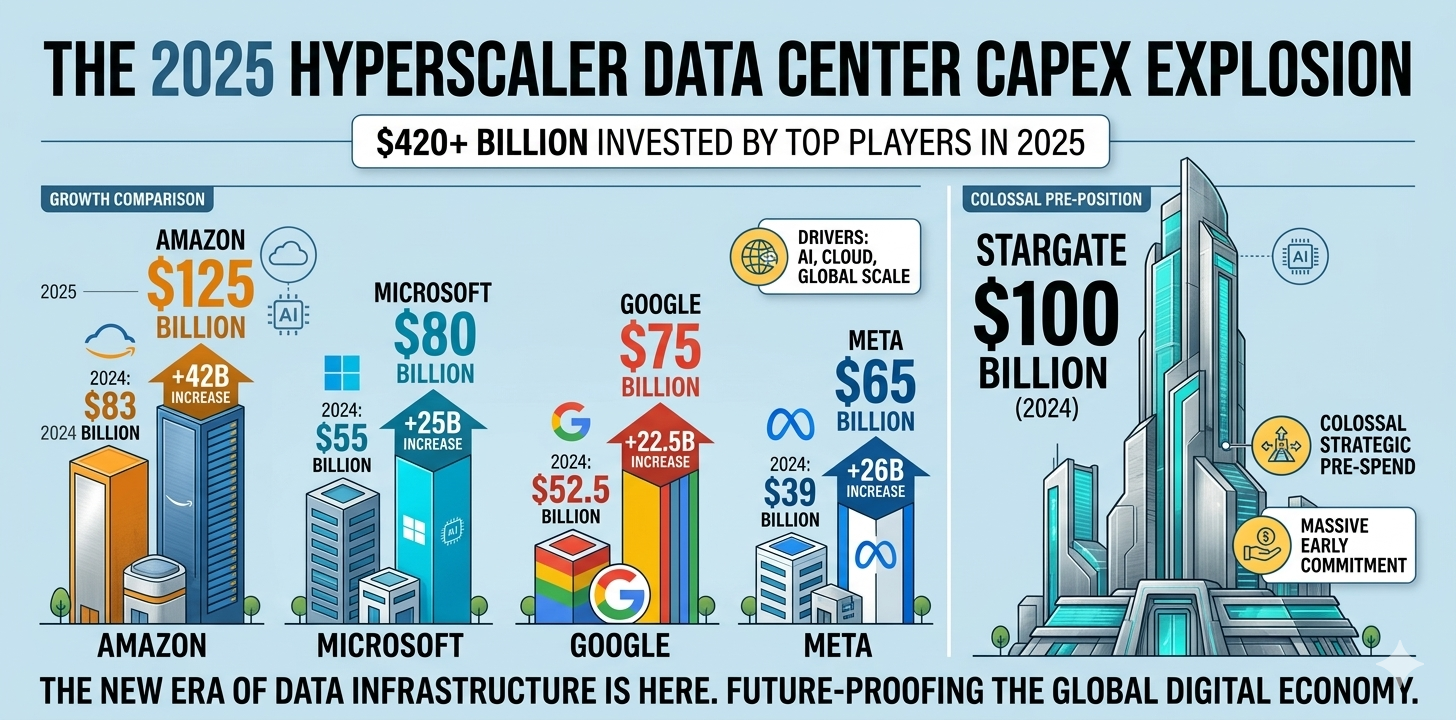
According to the latest industry reports from Lightwave, data center capital expenditure (CAPEX) witnessed a historic 57% increase in 2025. This massive injection of capital—totaling over $215 billion—is primarily driven by the rapid acceleration of AI deployments. For engineering project managers and infrastructure planners, this isn't just a statistic; it’s a signal to rethink the physical layer of network architecture.
The Shift to High-Density Infrastructure
AI and Machine Learning workloads require unprecedented bandwidth and near-zero latency. As GPU clusters expand, traditional cabling methods reach their physical limits. The 2025 surge highlights a critical pivot toward High-Density Fiber Solutions. The focus has shifted from simple connectivity to optimizing fiber counts within limited rack spaces.
Engineering Perspective: MPO/MTP and Polarity
From an engineering standpoint, managing thousands of fiber terminations requires precision. High-fiber count cables, such as 144-core or 288-core configurations, combined with MPO/MTP technology, have become the industry standard. These solutions not only reduce installation time but also ensure the scalability needed for future GPU upgrades. At Tuolima, we emphasize the importance of polarity management and low-insertion loss components to ensure that increased CAPEX translates into actual network performance.
Conclusion
The AI era is here, and the infrastructure gap is widening. To stay competitive in a market where investment is growing by 57% annually, your supply chain must provide more than just components—it must provide scalability. Tuolima’s integrated fiber solutions are designed to meet the rigorous demands of next-generation data centers.
Q1: Why did data center CAPEX increase so significantly in 2025?
The 57% jump is largely attributed to the massive build-out of AI-specific data centers, which require more expensive high-performance computing (HPC) hardware and advanced cooling and fiber optic infrastructure compared to traditional cloud data centers.
Q2: How does high-density fiber cabling benefit AI deployments?
AI clusters involve high-speed data exchange between GPUs. High-density cabling, such as MPO/MTP systems, allows for more connections in less space, reducing latency and making it easier to manage the complex interconnects required for large-scale model training.
Q3: What should I consider when upgrading my data center's optical distribution?
Key considerations include fiber count scalability, the quality of connectors (to minimize signal loss), and the ease of cable management within distribution boxes to ensure airflow and maintainability as the network grows.
Related Products
IP68 Fiber Optic Splice Closures — Designed to provide secure and reliable protection for fiber optic joints
Aug 02-2024

Enhancing Campus Connectivity: GJYXCH Fiber Optic Cable in Educational Networks
Jan 09-2024
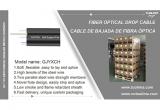
Elevating Urban Infrastructure: GJYXCH Fiber Optic Cable in Smart City Networks
Jan 07-2024
 English
  français
  Deutsch
  Español
  italiano
  русский
  português
  العربية
  ไทย
ไทย  Polska
  română